News29 Nov 2026PolymarketKalshiBitcoinCrypto Markets
Prediction markets price further crypto losses before year-end
Polymarket gave bitcoin a 57% chance of touching $55,000 before Dec. 31 as traders assigned slim odds to major recoveries in bitcoin, ether and solana.
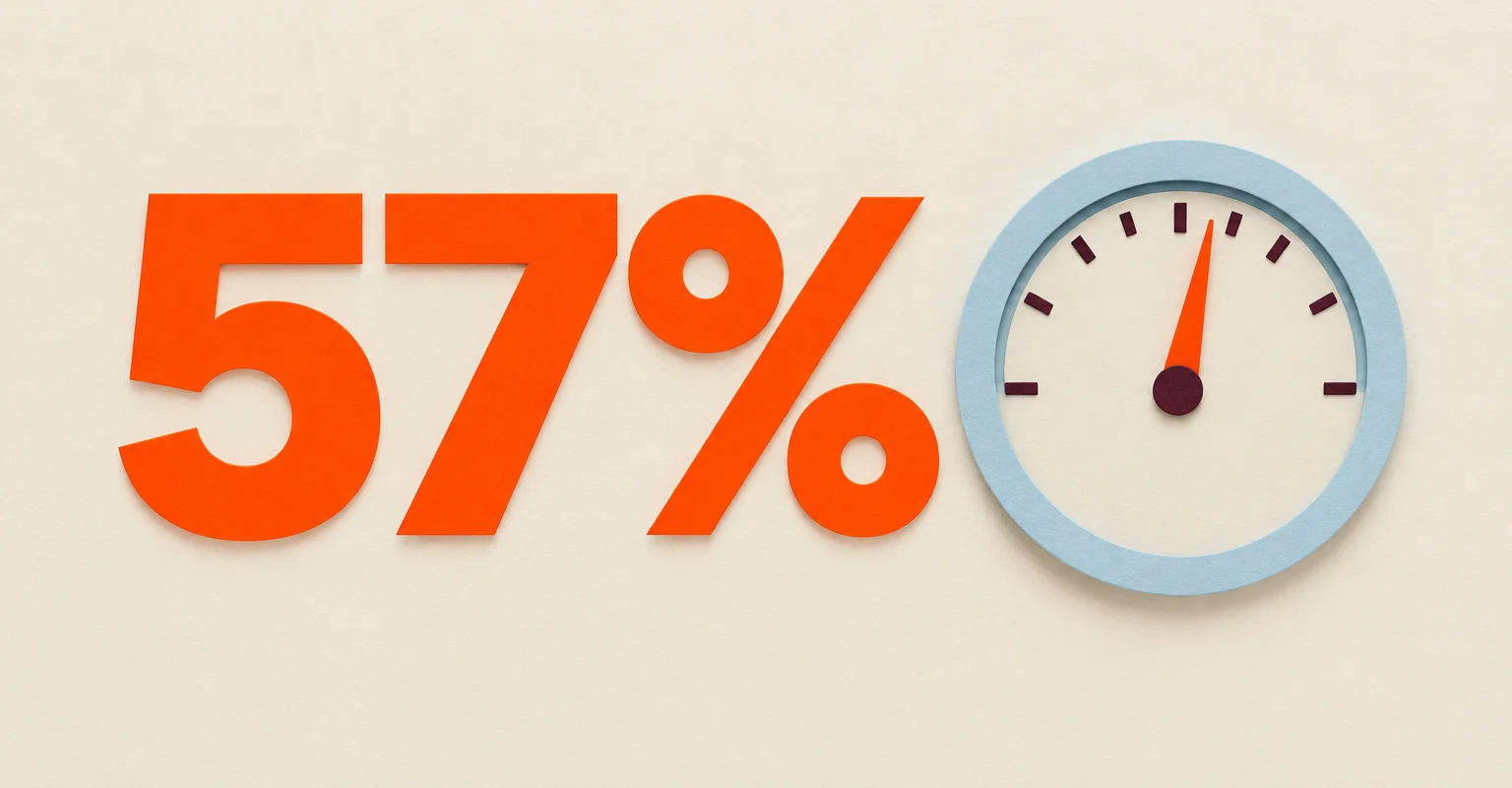
Prediction-market prices at the end of November pointed to limited prospects of a sharp year-end rebound in bitcoin, ether and solana. Polymarket traders gave bitcoin a 57% chance of touching $55,000 and a 34% chance of reaching $50,000 before Dec. 31, while assigning far smaller probabilities to high-price outcomes across the three tokens.
Bitcoin traded between $59,200 and $59,500 on Nov. 28, down an estimated 2.3% over the previous week. Cryptonews found that Polymarket's annual bitcoin market had generated $97.4 million in cumulative activity, while its November contract market put a 38% probability on a touch of $57,500 and only 20% on $62,500. The November market assigned 1% odds to $70,000 and less than 1% to targets from $75,000 to $100,000.
Those November contracts were based on whether bitcoin touched a threshold, rather than its month-end closing price. They settled using highs and lows in Binance BTC/USDT one-minute candlesticks, meaning bitcoin did not need to finish the month at the stated price. As covered earlier in November, Polymarket traders had previously treated a $70,000 touch as bitcoin's most likely unresolved 2026 threshold.
Kalshi's bitcoin contracts used the CF Benchmarks Bitcoin Real-Time Index and a trimmed-mean calculation. Its November low market, which had $2.26 million in volume, displayed a $56,000 forecast and put the chance of a move below $55,000 at 11%; the corresponding high market showed a forecast near $81,000 on $2.45 million of activity.
Ether traded around $1,645 to $1,650 on Nov. 28 after falling about 3.9% over seven days. Polymarket's November ether market put a 55% chance on a touch of $1,600 and 52% on $1,700, but just 10% on $1,800 and 2% on $2,000. Its annual ether market, with $21.6 million in volume, assigned a 59% probability to a $1,500 touch, compared with 25% for $1,250 and 7% for $1,000.
Kalshi's $12.7 million ether year-end closing-price market was measuring a different outcome: ether's settlement price at the beginning of 2027, rather than an intraperiod price touch. Its leading bracket was $1,500 to $1,749.99 at 31.4%, followed by $1,750 to $1,999.99 at 25.1%; the three leading brackets accounted for 71.1% of displayed probability. Settlement used the 60-second average of the CF Benchmarks Ethereum Real-Time Index immediately before midnight Eastern time on Jan. 1.
Solana, trading near $70.50 to $70.70 and roughly flat over the preceding week, had an 88% probability of touching $70 in Polymarket's November market. That contract recorded $1.1 million in volume and put a touch of $80 at 5%, $90 at 2%, and targets of $100 or higher below 1%.
For the full year, Polymarket's solana market assigned a 48% chance of touching $60, 21% for $50 and 9% for $40, on $2.9 million in activity. Kalshi's annual solana-high market displayed a $129 forecast and gave just a 4% probability to a move above $200. Its contract on solana ending 2026 above $500 stood at 1.5%, down 10.5 percentage points.
November was turbulent for digital assets. CryptoBriefing reported that the market lost more than $90 billion in a 24-hour sell-off on Nov. 20, with liquidations exceeding $400 million and US spot bitcoin ETF outflows surpassing $2.5 billion through mid-November. By Nov. 28, the wider cryptocurrency market was valued at about $2.1 trillion, with bitcoin accounting for roughly 57%; ETF outflows, expectations of tighter Federal Reserve policy and November's drawdown had left sentiment in extreme fear.
Prediction-market prices approximate implied probabilities because winning contracts generally pay $1 and losing ones pay nothing. But the readings were not direct forecasts: liquidity, bid-ask spreads and differing settlement rules can affect prices, while historical trading volume does not necessarily measure current conviction.
Sources
Earlier coverage
Researched and written by Cite, an automated research pipeline. Sources are linked above.