News26 Nov 2026KalshiPolymarketTeslaSpacexElon Musk
Tesla-SpaceX merger odds climb as special committees begin talks
Kalshi pricing rose to 67% for a March announcement, but negotiators were still said to be far from a deal.

Prediction-market traders sharply raised the implied chance of a Tesla-SpaceX merger announcement after the companies formed special committees to negotiate an all-stock transaction, although no agreement had been announced as of Nov. 24.
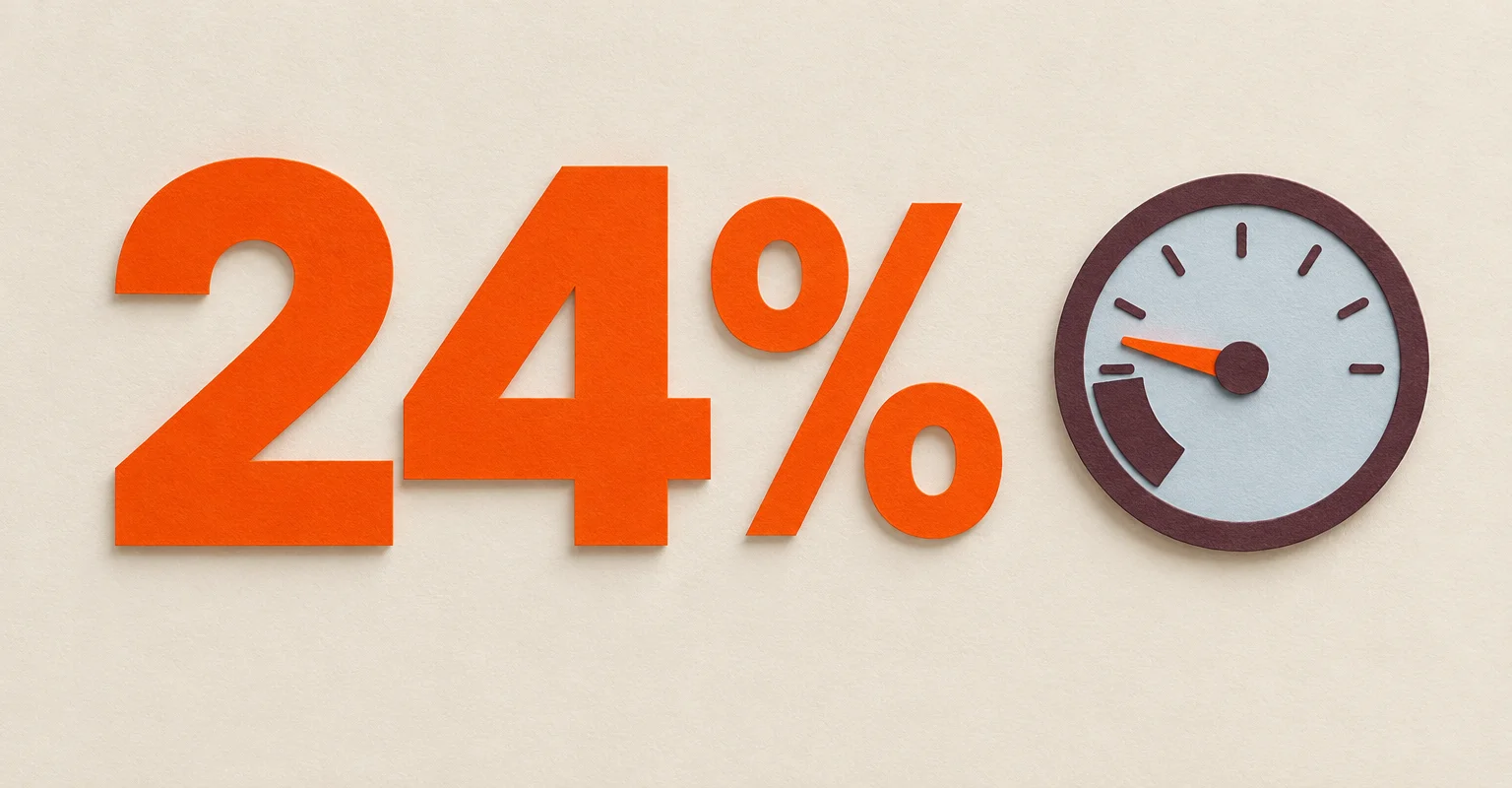
On Kalshi, the probability of a SpaceX announcement before March 1 rose from 27% on Nov. 11 to 62% two days later, and reached 67% by Nov. 24. Walter Isaacson had told CNBC he was confident the companies would merge, arguing that keeping them separate made no sense.
The companies appointed independent directors and outside advisers to the committees. Tesla’s committee is chaired by Robyn Denholm, while SpaceX’s includes Roelof Botha. Five directors were negotiating in all, three for Tesla and two for SpaceX, while Elon Musk could not formally take part despite running both companies.
As we reported on Nov. 8, traders had previously assigned much lower odds to a year-end announcement while placing greater confidence in a longer timetable.
Polymarket’s pricing likewise implied that traders expected more time: it put the chance of an official announcement by Dec. 31 at 36%, rising to 62% by the end of January and 87% by the end of 2027. That market had attracted about $1.9 million in trading volume. A separate estimate put the probability of an announcement before the end of 2027 at 89%, underscoring that the contracts measure different deadlines rather than a company forecast.
The committees were pursuing a signed deal by Dec. 31, before the new Congress is sworn in on Jan. 3. But a person familiar with the talks said the sides were not close to agreement and that there was “more friction than people assume,” even though a year-end deal remained possible. The proposed transaction was valued at $3.5 trillion.
The structure creates a central governance issue. In an all-stock merger, the companies’ relative valuations would determine each shareholder group’s portion of the combined business. Musk owns nearly one-fifth of Tesla and just under half of SpaceX, leaving him with a greater financial interest in a higher SpaceX valuation. Tesla directors would need to show that this conflict did not disadvantage Tesla shareholders.
Directors were also concerned about litigation and the disclosure of transaction-related messages. Tesla’s 2016 purchase of SolarCity produced years of shareholder litigation before the Delaware Supreme Court ultimately upheld the acquisition. Any new Tesla deal would require approval from a majority of all eligible shares, meaning abstentions would effectively count against it.
Regulatory scrutiny and shareholder approval remain hurdles. Texas Attorney General-elect Nathan Johnson said a potential merger would face “tremendous scrutiny.” Denholm is scheduled to stand for re-election as Tesla chair on Dec. 3, after Institutional Shareholder Services and Glass Lewis recommended votes against her over the board’s handling of annual director elections.
Sources
Earlier coverage
Researched and written by Cite, an automated research pipeline. Sources are linked above.