News25 Nov 2026KalshiNew YorkArtificial Intelligence
Kalshi traders put 57% odds on four state data-center moratoriums
The market has risen from 52% since Nov. 22, while New York's statewide pause remains in force.
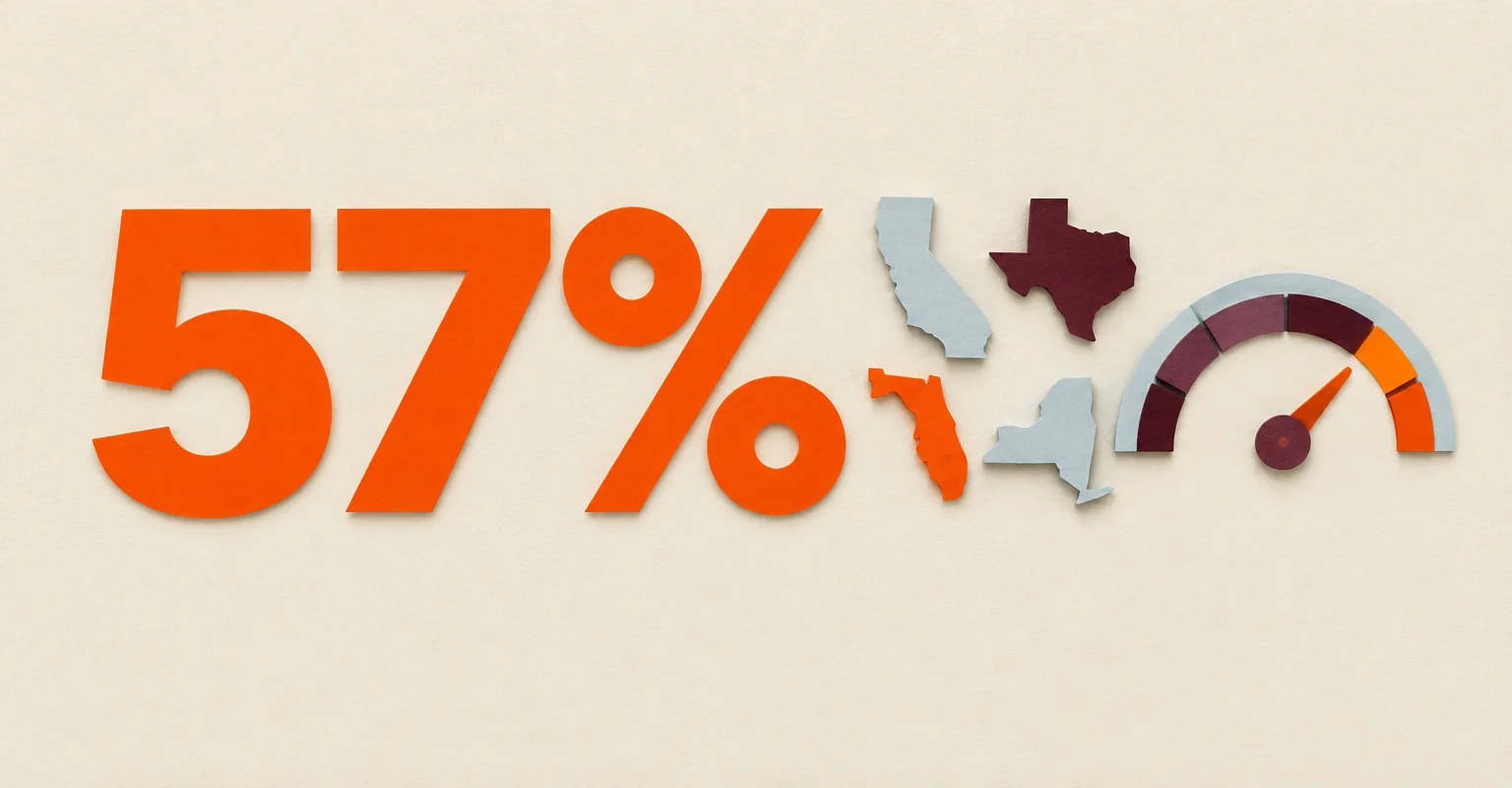
Kalshi traders put a 57% probability on at least four states adopting data-center moratoriums this year, up from 52% on Nov. 22. The contract had priced the probability at about 75% following the midterm elections, before rising from its Nov. 22 level.
The wager concerns statewide action, rather than the temporary restrictions that local governments have imposed. New York became the first state to enact such a measure on July 14, when Gov. Kathy Hochul signed an executive order pausing certain environmental permits for new hyperscale data centers for up to a year.
The state will withhold discretionary permits not already deemed complete while the Department of Environmental Conservation prepares a Generic Environmental Impact Statement. The review is to examine effects on electricity demand, water use and quality, and air quality. New York says the pause is intended to protect ratepayers, communities, the environment and the power grid amid rapid growth in AI-related computing demand.
The moratorium will end once New York finalizes its standards, after which projects that meet state requirements, zoning rules and other local approvals may proceed. Separately, the state had directed the Department of Public Service to begin the Energize NY proceeding, under which data centers would either pay more for electricity or provide their own energy.
The market is pricing a threshold that remains uncertain despite broad legislative and local interest. As of March 9, at least 12 states had bills proposing data-center moratoriums or related legislation, according to Good Jobs First. The group counted 63 local actions that had been introduced, considered or adopted, including 54 that had passed.
Harvard Business School, citing the National Conference of State Legislatures, said 14 states had attempted to ban or delay new data centers, while efforts had failed in six states and been vetoed in another. State and local officials have focused on electricity use, environmental effects and whether facilities fit their communities.
Brookings counted at least 15 states that had weighed pauses and at least 100 localities that had approved them. It argued that moratoriums alone are not a complete response, calling for data gathering, transparency and collaboration among lawmakers, industry and residents, particularly because proprietary information limits estimates of the facilities' effects.
Sources
Earlier coverage
Researched and written by Cite, an automated research pipeline. Sources are linked above.