-
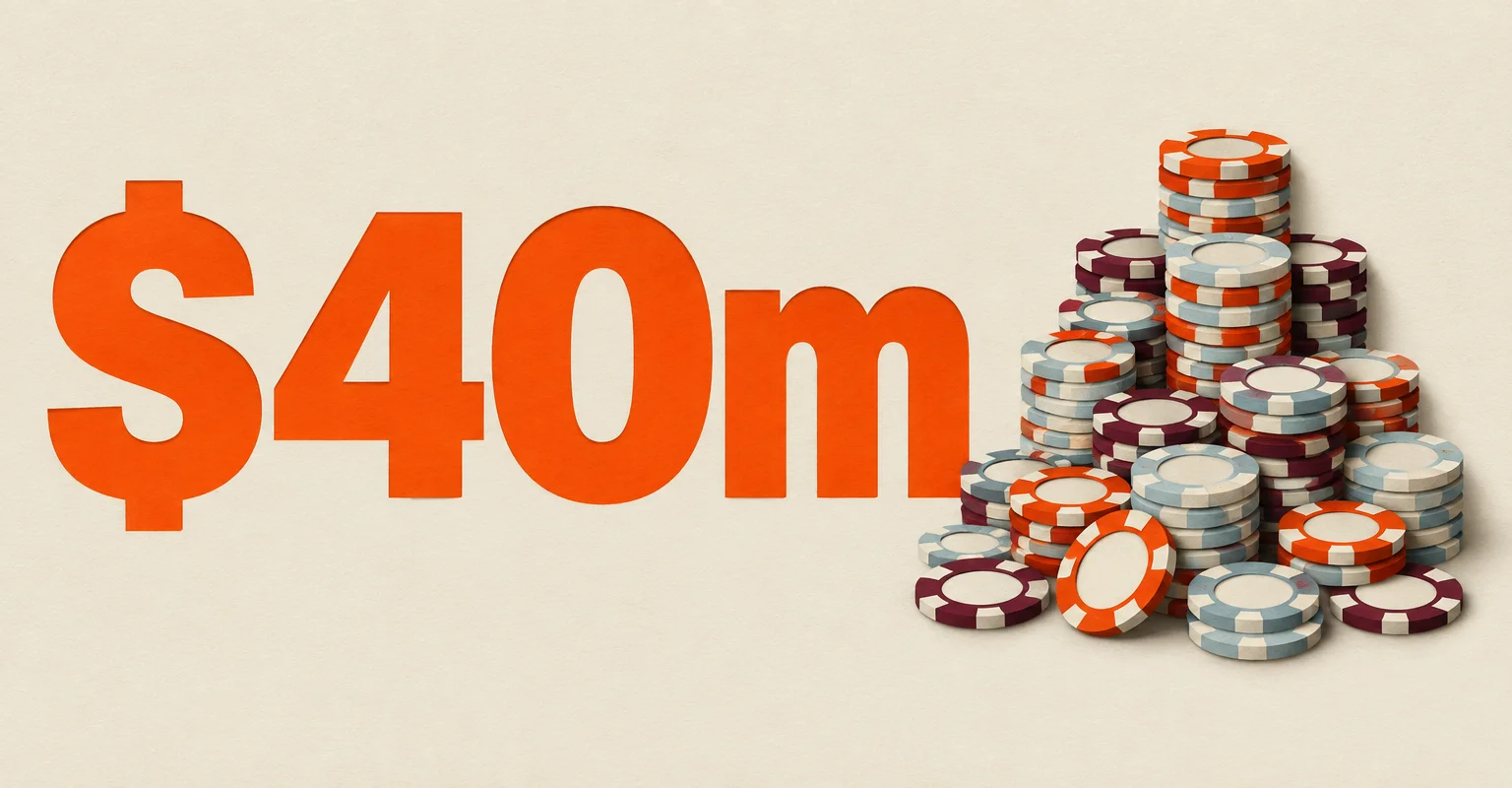 Polymarket Alpha traders made about $40m as age-access debate grows
The private Discord group included at least three teenagers, while New York challenges the legality of Polymarket US contracts.
Polymarket Alpha traders made about $40m as age-access debate grows
The private Discord group included at least three teenagers, while New York challenges the legality of Polymarket US contracts.
-
 Kalshi builds a 41-state lobbying network amid prediction-market battles
The exchange has concentrated spending in California and New York while giving more than $500,000 to attorneys general and governors’ political groups.
Kalshi builds a 41-state lobbying network amid prediction-market battles
The exchange has concentrated spending in California and New York while giving more than $500,000 to attorneys general and governors’ political groups.
-
 Polymarket US adds 15-minute Bitcoin up-or-down contracts
The contracts settle against an averaged Bitcoin index price, while New York separately challenges the platform’s legal status.
Polymarket US adds 15-minute Bitcoin up-or-down contracts
The contracts settle against an averaged Bitcoin index price, while New York separately challenges the platform’s legal status.
-
 New York sues Polymarket, which counters with federal challenge
The state says sports event contracts amount to unlicensed gambling, while Polymarket says its products are federally regulated derivatives.
New York sues Polymarket, which counters with federal challenge
The state says sports event contracts amount to unlicensed gambling, while Polymarket says its products are federally regulated derivatives.
-
 Polymarket sues New York to block state regulation
The filing followed Attorney General Letitia James’s same-day lawsuit accusing the prediction-market platform of promoting illegal gambling.
Polymarket sues New York to block state regulation
The filing followed Attorney General Letitia James’s same-day lawsuit accusing the prediction-market platform of promoting illegal gambling.
-
 New York judge weighs whether federal law shields prediction markets from state gambling rules
Judge Lorna G. Schofield heard competing claims that event contracts are federally regulated derivatives or unlawful sports wagers under state law.
New York judge weighs whether federal law shields prediction markets from state gambling rules
Judge Lorna G. Schofield heard competing claims that event contracts are federally regulated derivatives or unlawful sports wagers under state law.
-
 AGA backs New York in fight over prediction markets
The trade group told a federal judge that sports-event contracts are gambling products in substance, not just derivatives, as the wider battle over who regulates prediction markets deepens.
AGA backs New York in fight over prediction markets
The trade group told a federal judge that sports-event contracts are gambling products in substance, not just derivatives, as the wider battle over who regulates prediction markets deepens.
-
 Boom Sports adds ProphetX markets to its app
The partnership will let Boom users trade sports event contracts in-app through ProphetX’s CFTC-regulated exchange, extending prediction markets into a daily fantasy sports audience.
Boom Sports adds ProphetX markets to its app
The partnership will let Boom users trade sports event contracts in-app through ProphetX’s CFTC-regulated exchange, extending prediction markets into a daily fantasy sports audience.
-
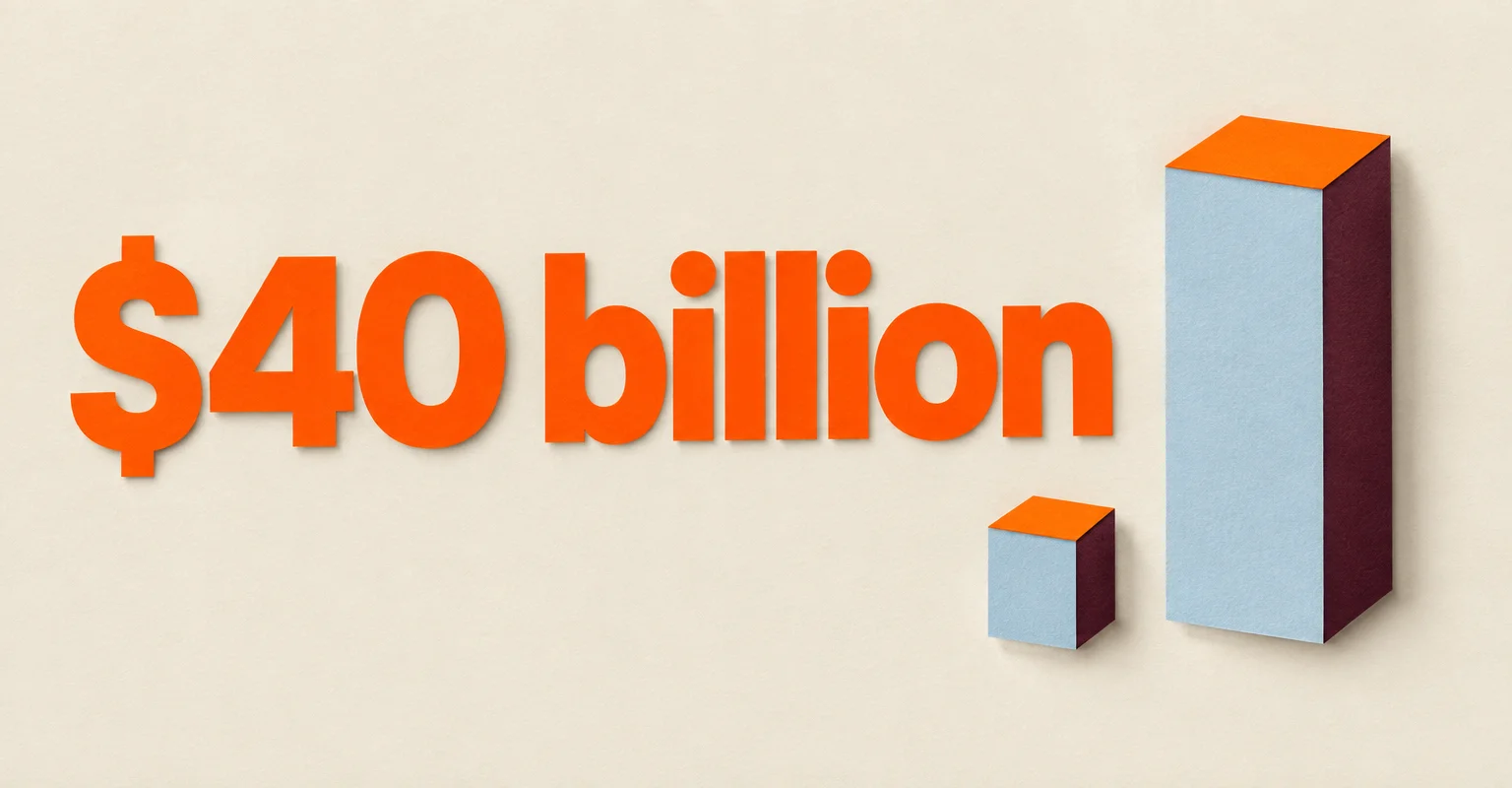 Kalshi seeks $40 billion funding as revenue tops $4 billion
The prediction-market exchange is reportedly courting new investors after a sharp rise in trading and a July revenue run-rate that more than doubled in two months.
Kalshi seeks $40 billion funding as revenue tops $4 billion
The prediction-market exchange is reportedly courting new investors after a sharp rise in trading and a July revenue run-rate that more than doubled in two months.
-
 New York sues Kalshi as illegal gambling case widens
The state says the prediction-market firm operated without a gaming licence, let in 18- to 20-year-olds and dodged taxes meant to support public services.
New York sues Kalshi as illegal gambling case widens
The state says the prediction-market firm operated without a gaming licence, let in 18- to 20-year-olds and dodged taxes meant to support public services.