News9 Nov 2026Kalshi
Tomorrow Recycling completes regulated cardboard-price hedge on Kalshi
The recycler used contracts tied to a federal price index after years of sharp swings in the value of recovered cardboard.

Tomorrow Recycling has completed what it described as the first cardboard-price hedge by a recycler on a regulated exchange, using Kalshi event contracts linked to the U.S. Bureau of Labor Statistics cardboard price index. The trade gives the recycler protection that pays if the index falls below a specified strike level in the relevant contract month.
Markets Media reported that Susquehanna Predictions designed and priced the transaction and supplied the institutional-scale liquidity needed to execute it. Kalshi, a Commodity Futures Trading Commission-regulated derivatives exchange, offers monthly contracts that settle to the BLS index; Tomorrow Recycling also placed the first trade in that cardboard market.
The arrangement addresses an exposure central to recycling economics. Baled cardboard, also known as OCC, or old corrugated containers, is among the highest-volume commodities recyclers produce and sell. It is sold to paper mills for conversion into boxes, but a price fall cuts recycler revenue while collection, sorting and baling costs remain in place.
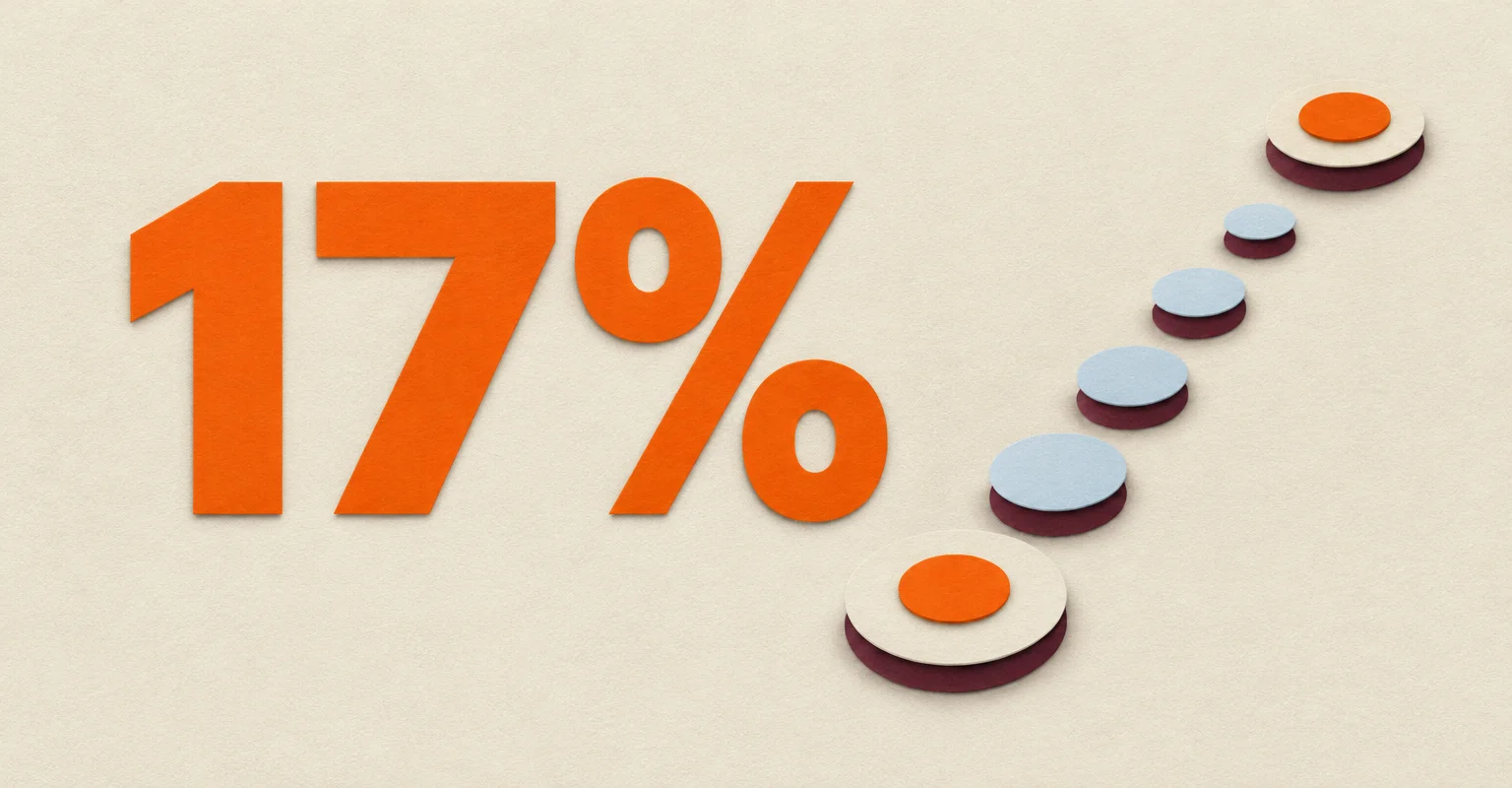
Cardboard has been notably volatile. Its price crashed by more than 70% on three occasions in the past 20 years: 2008, 2019 and 2022. The BLS cardboard index then roughly tripled from late 2022 to mid-2024 before declining about half by late 2025.
During the worst downturns, some recycling programmes have sent recyclable material to landfill because sales were uneconomic, while others have gone out of business. Before Kalshi listed the contracts, cardboard had no broadly traded hedging market comparable with those for corn, copper or oil.
Josh Branham, Tomorrow Recycling's chief financial officer, said cardboard and other commodity prices were among the biggest factors in a recycler's financial results and were largely beyond its control. He said risk-management tools had historically been accessible mainly to the industry's largest companies, whereas a regulated exchange linked to a public government index offered a more practical route to predictable results.
The contracts trade on an open public order book, with participants setting prices and Kalshi taking neither side of a trade. Paper mills and packaging producers, which face the inverse risk of price spikes, can use the same market to lock in cardboard costs.
Tomorrow Recycling operates materials recovery facilities that sort curbside and commercial recycling, selling recovered material to paper mills and other buyers. The company also provides product destruction and construction-and-demolition waste-diversion services. It is backed by Mecha, Kalshi and Susquehanna Predictions, and says it uses robotics and artificial intelligence to improve operations alongside price protection to make the business more stable.
The potential market extends beyond one recycler. Hundreds of US recycling facilities, as well as haulers and cities whose recycling contracts depend on commodity prices, share exposure to cardboard swings. Kalshi had previously built a market for tungsten before introducing the cardboard contracts.
Sources
Researched and written by Cite, an automated research pipeline. Sources are linked above.