News14 Nov 2026American Gaming AssociationSports BettingCFTCTribal Gaming
AGA poll finds 82% back gambling regulation for prediction markets
The industry group’s survey found broad cross-party agreement that sports-event contracts resemble sportsbook wagers.
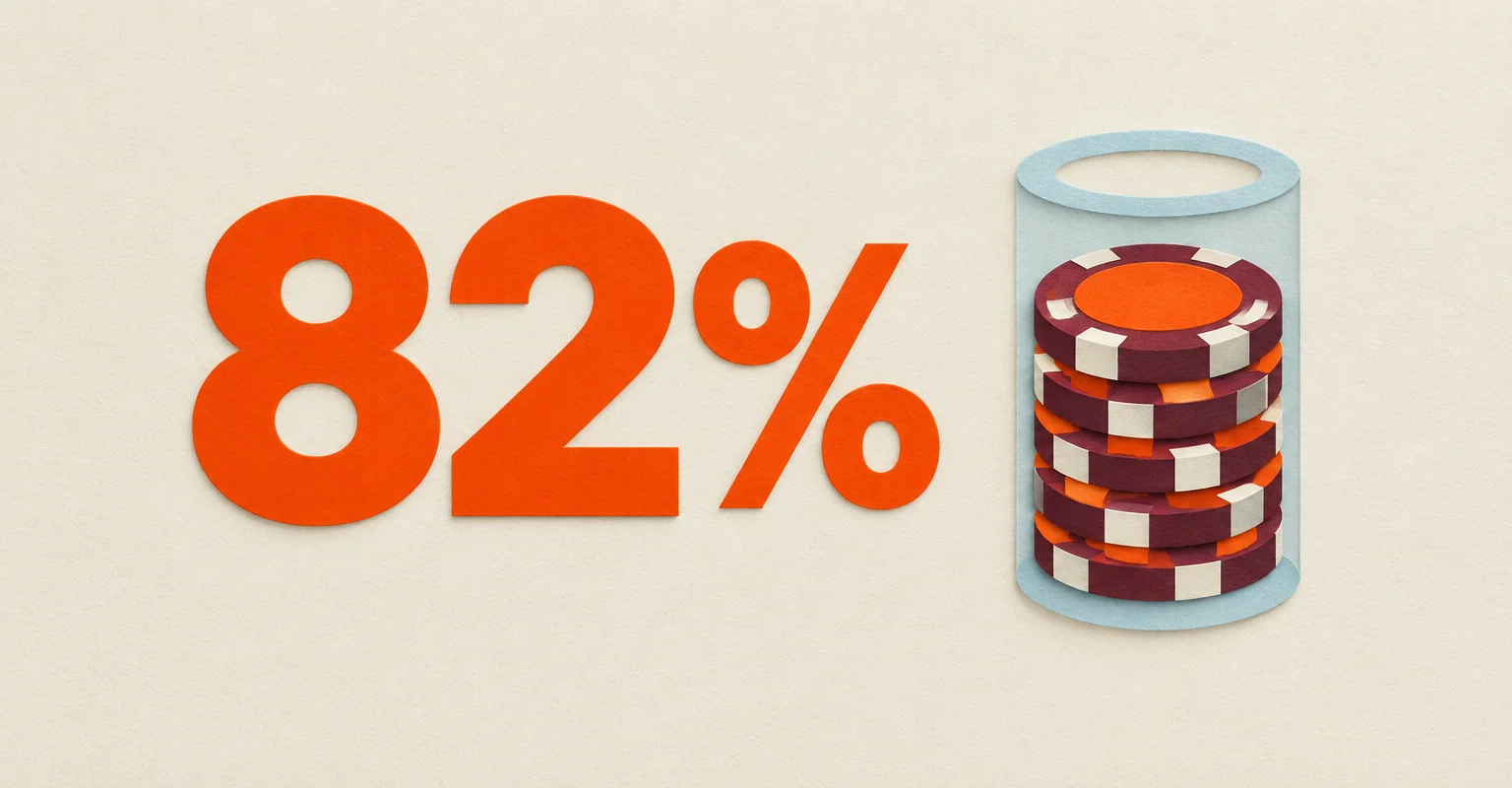
A new American Gaming Association poll found that 82% of U.S. adults believe prediction markets should be regulated as gambling products rather than financial products, adding public-opinion evidence to the industry’s campaign against sports-event contracts.
Three-quarters of those polled said buying and selling sports-related contracts was fundamentally the same as placing a sports wager through a sportsbook. The AGA shared the findings first with Semafor, which reported that the trade group intends to use them to argue that states and tribes, rather than the Commodity Futures Trading Commission, should oversee the platforms.
The Qualtrics survey questioned 2,268 adults and had a margin of error of plus or minus two percentage points. Support for gambling-style regulation crossed party lines, reaching 84% among Democrats, 82% among Republicans and 90% among independents.
The association represents commercial and tribal gaming interests and contends that sports-event contracts amount to illegal sports betting. It says platforms operate nationwide outside state and tribal frameworks, avoiding the licensing, consumer-protection rules and taxes applied to regulated gambling operators.
The AGA estimates states have forgone more than $1.66 billion in tax revenue since late 2025, which it attributes to prediction-market platforms paying no state taxes on platform revenue and to bettors moving from sportsbooks to exchanges.
Prediction-market operators draw a different legal distinction. They say their products are peer-to-peer trading and that the platform does not take a side in the transaction; Kalshi and other exchanges characterize their contracts as federally regulated swaps. The CFTC has said event contracts on CFTC-registered designated contract markets can be swaps or futures under its jurisdiction, although it also has authority to prohibit contracts involving gaming or activity unlawful under federal or state law.
As this publication reported in September, the AGA has already backed New York in its fight with the CFTC over prediction markets. The regulator has said the number and variety of event contracts has increased significantly since 2021, while applications for designated-contract-market registration more than doubled in the year before its March notice seeking public comment.
Other polling has pointed in the same direction, though it measured related questions differently. A May Harris Poll for the National Council on Problem Gambling found that 84% of Americans favored treating prediction platforms like gambling for consumer-protection purposes, while 45% considered them comparable to gambling and 27% saw them as most similar to investing.
The jurisdictional question remains before the courts. Three petitions asking the U.S. Supreme Court to determine whether states may police prediction-market contracts were pending, and Kalshi’s response to New Jersey’s petition is due Dec. 7.
Sources
Earlier coverage
- AGA backs New York in fight over prediction markets
- Prediction-market users overrate maths skills, AGA study finds
- Nevada gaming chair says sports prediction contracts are sportsbook bets
- Oklahoma tribal gaming group says prediction markets threaten compacts
- CFTC warns prediction markets against American odds
Researched and written by Cite, an automated research pipeline. Sources are linked above.