News12 Nov 2026PrizePicksLobbyingIndian Gaming Regulatory ActCFTC
PrizePicks’ lobbying rose to $636,000 as prediction-market rules came under scrutiny
The company’s in-house spending climbed to $320,000 in the third quarter, covering online gaming and the Indian Gaming Regulatory Act.
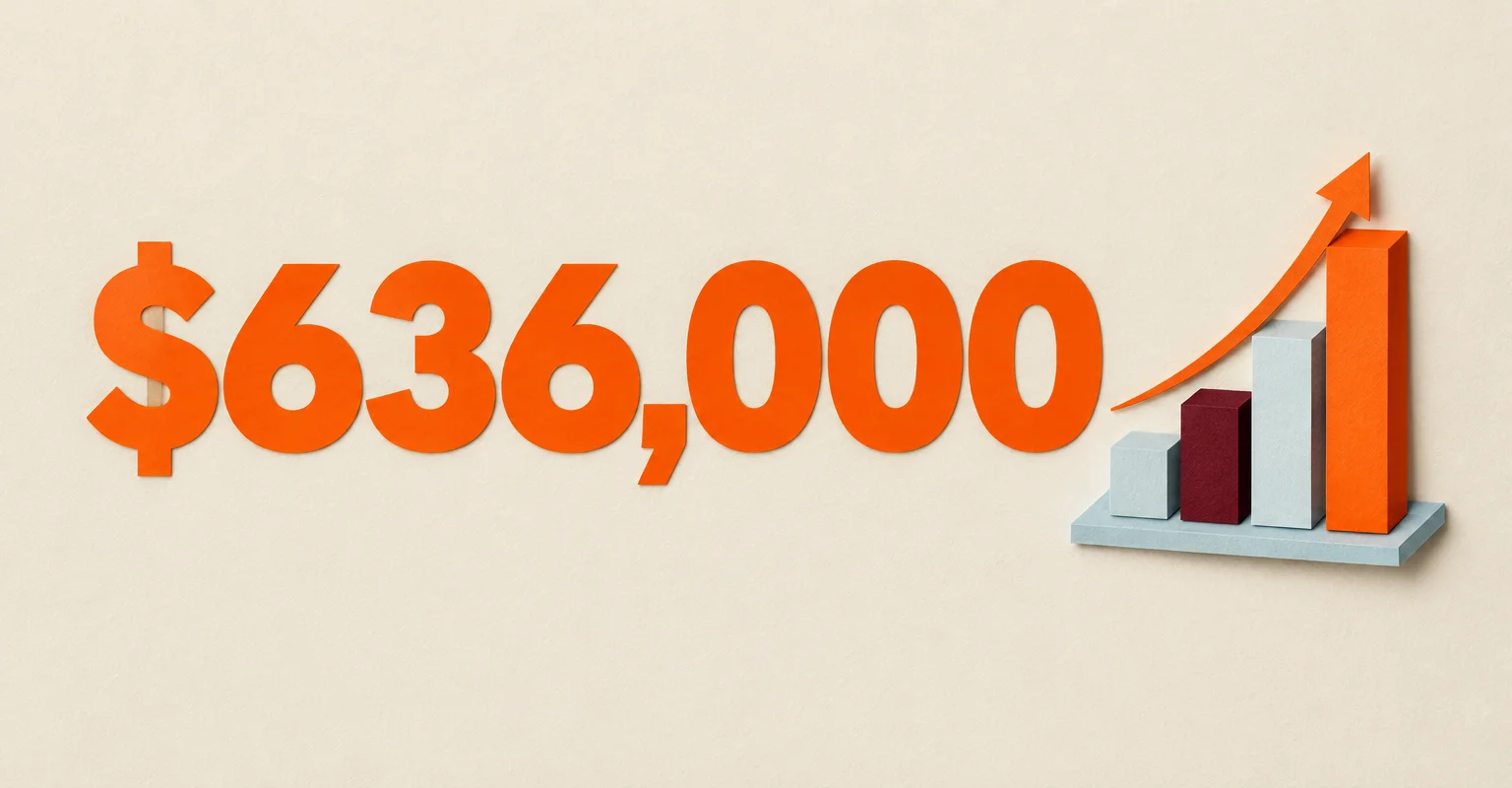
PrizePicks reported $636,000 in total lobbying spending across identified filings in the third quarter of 2026, as the company pressed issues including federal regulation of prediction markets, online gaming and the Indian Gaming Regulatory Act.
Its in-house disclosure, signed Nov. 3, listed $320,000 in spending, up $90,000 from $230,000 in each of the first two quarters. Nick Zabriskie, the company’s senior vice president of public affairs, was the sole in-house lobbyist.
The third-quarter total continued a steady rise from $506,000 in the first quarter and $546,000 in the second, according to Legis1. Seven outside firms filed reports for PrizePicks. Their combined disclosed spending was $316,000, with Polaris Consulting, Vogel Group and Rubin, Turnbull & Associates each reporting $60,000; Rich Feuer Anderson and Penn Avenue Partners each reporting $50,000; Cormac Group reporting $30,000; and Malbrue Group reporting $6,000.
McGuireWoods Consulting registered as a new PrizePicks client during the quarter. Rich Feuer Anderson also added Steve Donaldson to its team, after listing Andrew Palmer, John Anderson and Tom Koonce on its second-quarter roster.
The company’s lobbying subjects place it in a wider federal argument over sports-related event contracts. The Ninth Circuit ruled on Aug. 28 that Nevada could enforce its gaming laws against Kalshi’s sports contracts, and the Sixth Circuit reached the same conclusion on Sept. 25. Those decisions were setbacks for platforms offering such contracts outside state gaming frameworks.
Congress has also considered restrictions. Rep. Dina Titus introduced the Fair Markets and Sports Integrity Act in February, while Sens. Adam Schiff and John Curtis introduced the Prediction Markets Are Gambling Act in March. The Senate bill would bar CFTC-registered entities from listing certain sports- and casino-style event contracts. At the time of the Legis1 report, neither measure had a scheduled floor vote.
IGRA, enacted in 1988, governs gaming in Indian Country, including Tribal sports betting. Brookings has argued that sports contracts offered by platforms such as Kalshi, Crypto.com and Robinhood operate outside that framework and bypass state and Tribal licensing and consumer-protection rules. Tribal gaming revenue reached $43.9 billion in 2024, according to the institution.
The Commodity Futures Trading Commission opened a public-comment period on a proposed prediction-markets rule in June, while sports contracts constituted the largest segment of prediction-market platforms, CNBC reported.
Sources
Researched and written by Cite, an automated research pipeline. Sources are linked above.