News14 Oct 2026PolymarketKalshiUs MidtermsCFTC
Midterm election betting tops 2024 total as contracts proliferate
More than $220 million has been traded so far, but Texas and a small share of Polymarket wallets account for much of the activity.
Betting on the 2026 U.S. congressional midterms has already exceeded the total recorded during the 2024 cycle, as prediction-market platforms offer a far wider array of contracts on individual races and their margins.
Traders have placed more than $220 million across the three platforms studied so far this cycle, compared with $92 million during the entirety of the 2024 congressional contests. The tally includes trading that continued after Election Day in 2024 while some races remained unresolved.
The Anti-Corruption Data Collective examined more than 21,000 midterm markets across Kalshi and Polymarket's international and U.S. platforms through Sept. 30. Its comparison set contained 463 markets from the 2024 congressional races.
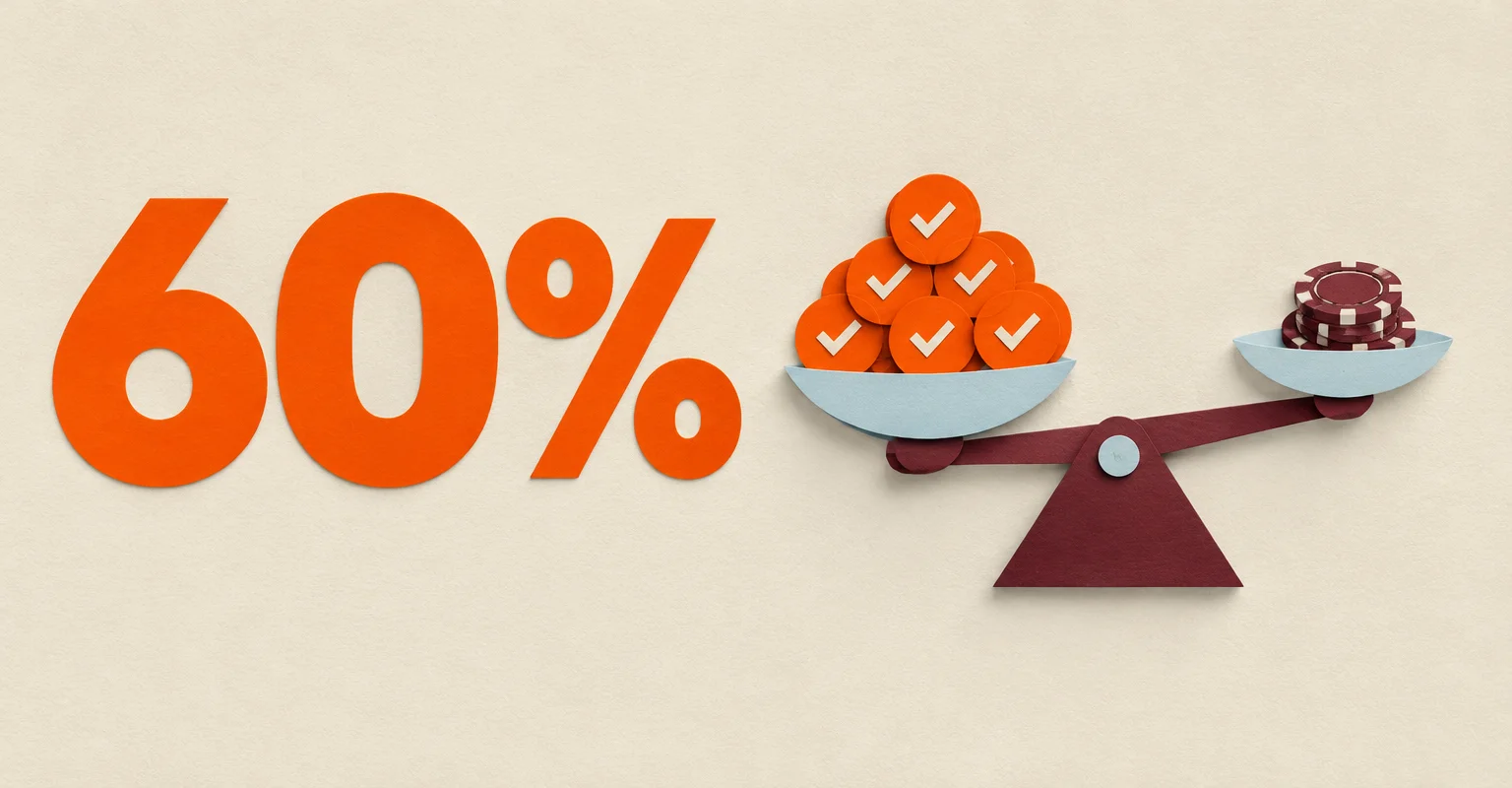
The expansion reflects more than the larger number of seats covered. Markets per race have also risen, with trading shifting from straightforward winner contracts to more granular questions. In 2024, 71% of election markets concerned which candidate would win; in 2026, 16% concern winners and 58% concern a candidate's margin of victory. There are also more turnout-related markets.
That does not mean the newer contracts carry most of the money. Betting volume remains concentrated on who will win, while many of the less conventional markets have attracted little trading.
A small group of contests accounts for much of the $220 million total, led by Texas's open-seat Senate race between Democrat James Talarico and Republican Ken Paxton. Senate races in Maine, Michigan and South Carolina have also drawn heavy trading.
Activity is concentrated among traders as well. The top 1% of Polymarket wallets, ranked by congressional-market trading volume, account for 70% of all such volume in the 2026 cycle. As this publication reported in September, a separate Anti-Corruption Data Collective study found that relatively small wagers could move prices in most midterm-related markets it examined.
Election contracts remain a small portion of the broader prediction-market business. The Commodity Futures Trading Commission said trading across CFTC-registered prediction markets exceeded $25 billion in 2025, while observing a sharp increase in the number and variety of event contracts.
The agency proposed rules in June to clarify which contracts may be deemed contrary to the public interest and therefore barred from listing or clearing through a CFTC-registered entity. Its proposed factors include information aggregation and price discovery, but also threats to market integrity and compliance challenges.
The expansion has sharpened concerns among policymakers and public-interest groups that election bets may create opportunities for insider trading or damage confidence in U.S. democracy. Kalshi blocks politicians and campaign workers from election trading and has suspended several candidates who bet on their own races. Polymarket says it uses surveillance systems, while platforms say they refer suspected misconduct to U.S. authorities and provide unbiased information.
Some observers have separately questioned whether trading-volume figures reported by Kalshi and Polymarket are inflated, citing unusual activity on Polymarket's international exchange. Both companies deny wash trading and reject the claim that the patterns show inorganic activity.
Sources
- federalregister.gov Primary
- newsobserver.com
- cnbc.com
- Small bets sway US congressional prediction markets Earlier post
Earlier coverage
- Polymarket gives Democrats 92% chance of taking House
- WBUR examines election prediction markets’ rise and insider-risk concerns
- NBC says NFL season could be prediction markets’ biggest yet
- Small bets sway US congressional prediction markets
- Poll finds bipartisan opposition to betting on elections and government actions
Researched and written by Cite, an automated research pipeline. Sources are linked above.