News14 Oct 2026KalshiPolymarketCFTC
Poll finds bipartisan opposition to betting on elections and government actions
Americans also rejected markets on military actions and policy decisions as platforms expand their media presence.
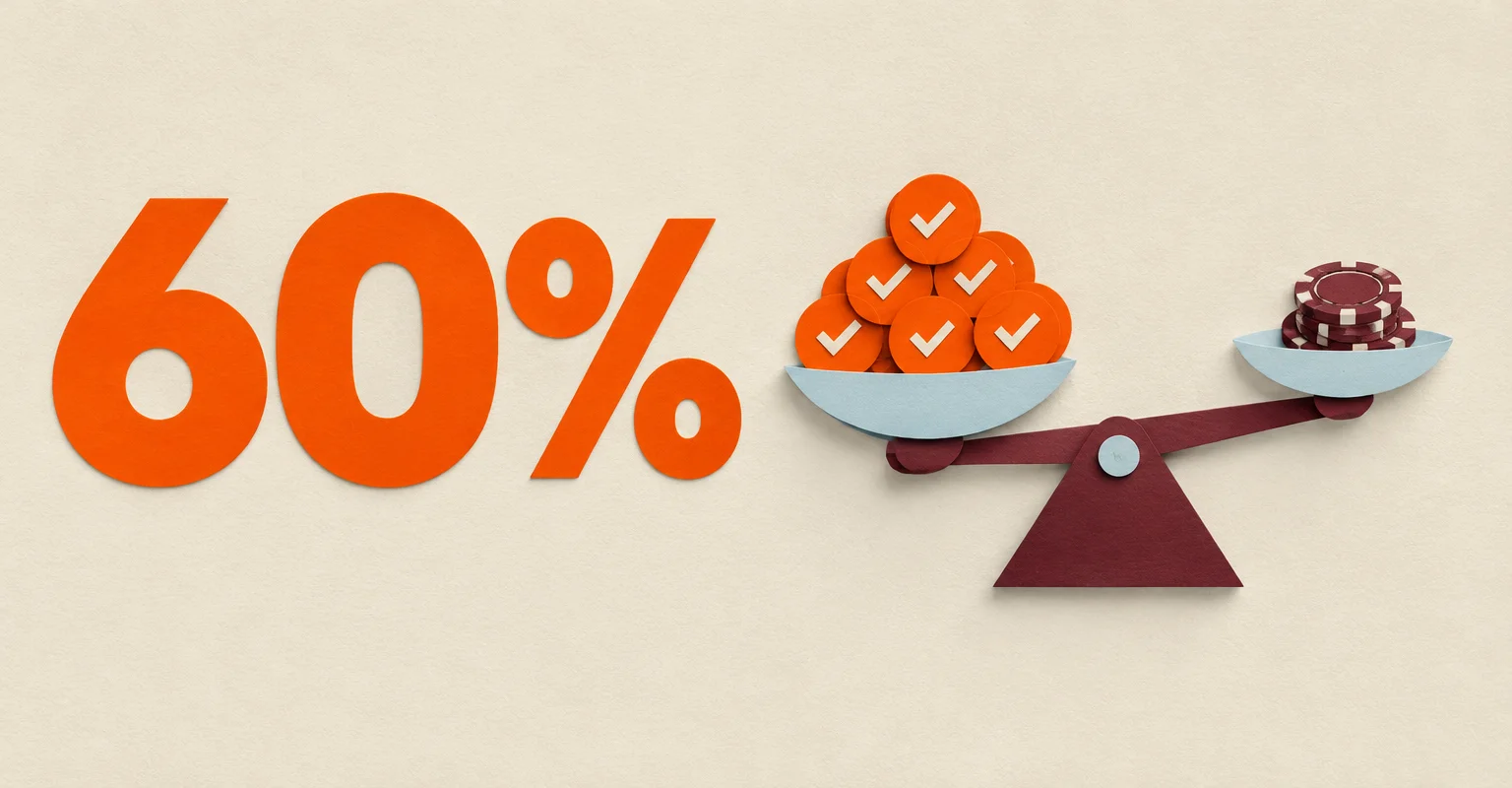
A Reuters/Ipsos poll found broad opposition to using prediction markets to wager on elections, military actions and government policy. Sixty percent of U.S. adults opposed betting on election outcomes, including 69% of Democrats and 61% of Republicans.
The survey, conducted among 4,506 adults from Sept. 30 through Oct. 5, had a margin of sampling error of 1.5 percentage points. Thirteen percent supported election-result wagers and 24% were unsure.
Resistance was stronger for bets involving state action. Sixty-five percent opposed wagers on U.S. military actions, while 63% opposed bets on government policy announcements or decisions. Only 8% supported military-action markets and 9% backed bets on policy decisions.
Three-quarters of respondents regarded prediction-market wagering as gambling, and 7% said they had used a prediction market to wager money. Alec Tyson of Ipsos U.S. Public Affairs said the findings showed that Americans did not consider elections or government decision-making appropriate subjects for gambling.
The results arrive as Polymarket and Kalshi, the sector's leading platforms, market heavily on social media and television. CBS News said Sept. 30 that it would add real-time Kalshi prices to its midterm coverage, while Kalshi also has media agreements with CNN and CNBC.
Kalshi disputed the poll's framing, saying questions about wagering on government events were leading. The questionnaire described prediction markets as places where people wager money on real-world events, then asked separately about elections, military actions, policy decisions and sports; it did not measure whether respondents were familiar with such markets. A March Ipsos survey for the American Institute for Boys and Men found that 21% of Americans were at least somewhat familiar with prediction markets.
The companies argue that their markets can offer more accurate forecasts than conventional polling and allow users to hedge unusual real-world risks. Policymakers and some Democratic lawmakers have instead raised concerns over manipulation, insider trading, national security and whether trading by government insiders could convey confidential information.
The Commodity Futures Trading Commission has described event contracts as potentially useful financial innovation that can aggregate information and hedge risks where traditional instruments do not exist. But its June proposal would set out categories of contracts that could be deemed contrary to the public interest, including those involving terrorism, assassination, war and gaming, and would weigh threats to market integrity and compliance challenges.
Trading has nonetheless grown. Combined monthly volume on Kalshi and Polymarket rose from about $26 billion in May to $53 billion in July, largely driven by sports. Those figures count contracts at their potential $1 payout rather than their purchase price, and do not represent company revenue or cash spent by traders.
Sources
Earlier coverage
Researched and written by Cite, an automated research pipeline. Sources are linked above.