News29 Sep 2026
House Oversight broadens prediction-market insider-trading inquiry to three platforms
Hyperliquid, Crypto.com and PredictIt’s owner face requests on identity checks, location controls and suspicious trading
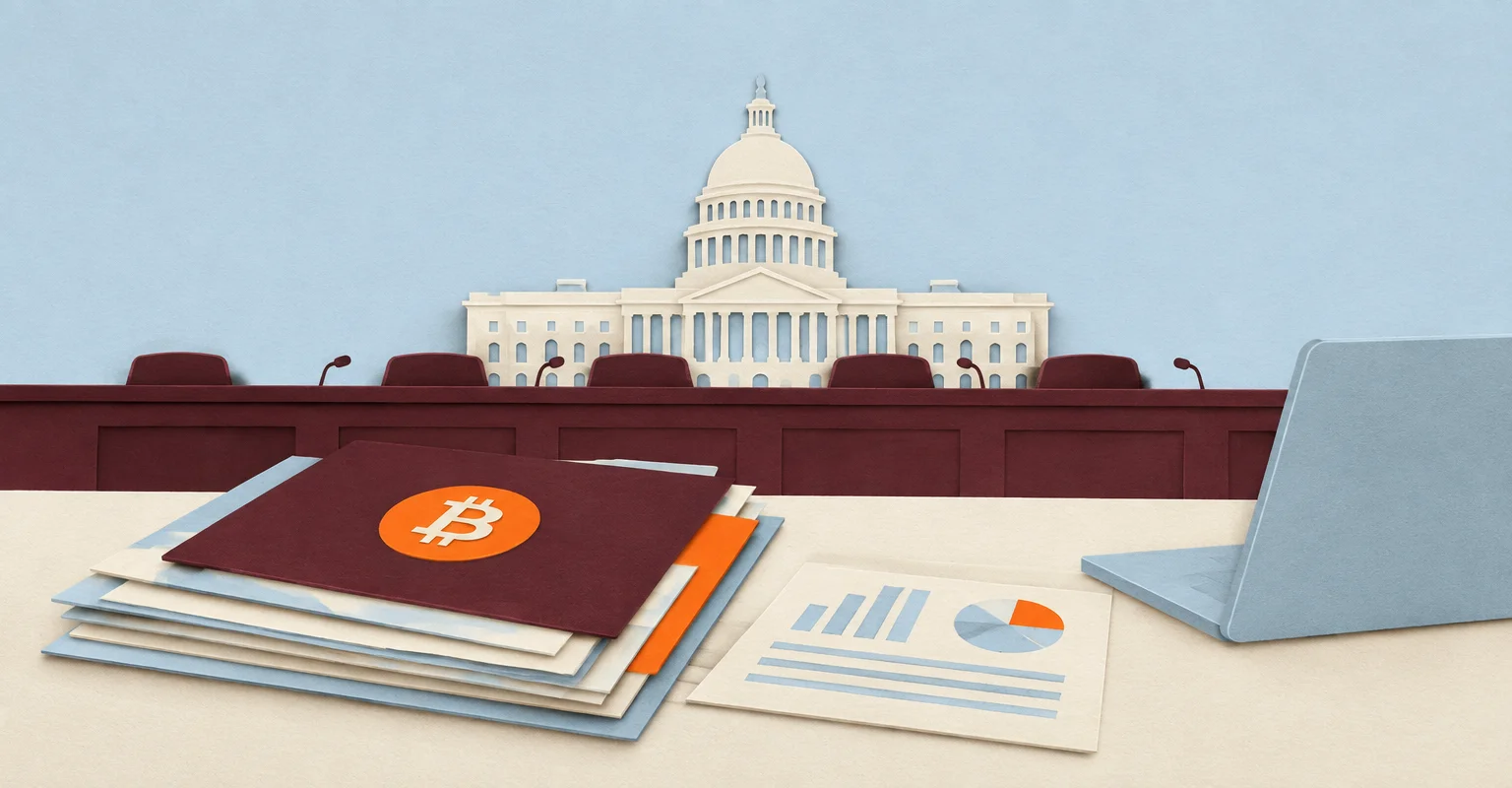
House Oversight Chairman James Comer expanded an inquiry into alleged insider trading on online prediction markets, sending requests for information to Hyperliquid Labs, Crypto.com and Aristotle Exchange, the owner of PredictIt.
The committee is seeking records on how the companies verify customers’ identities and locations, and how they detect, investigate and report suspicious trading. Comer said the inquiry is examining whether users have traded on nonpublic or classified government information, and whether platforms are meeting their legal obligations to prevent such activity.
The requests also seek documents and communications detailing know-your-customer policies and internal suspicious-trading controls. The companies have been asked to provide records dating from Jan. 1, 2024, with a response deadline of Oct. 13.
Hyperliquid’s letter focuses in part on a $1.1 billion leveraged short position in bitcoin and ether perpetual contracts that was opened about 30 hours before President Donald Trump’s October 2025 tariff announcement, according to details of the request reported by Bitcoin.com News. The trader reportedly closed the position soon afterwards for more than $150 million in profit.
Comer described the transaction as precisely timed to a nonpublic government decision and said Hyperliquid apparently lacked identity verification or a mechanism for referring the responsible trader to U.S. law enforcement. Congress has not established that the trader had advance knowledge of the announcement. The panel requested information from Hyperliquid on geographic restrictions, trading surveillance, regulatory compliance and whether employees hold government security clearances.
Crypto.com has been asked about differences in identity-verification practices between its international exchange and Crypto.com Derivatives North America. The committee also seeks records related to employees trading before corporate announcements and government officials betting on cryptocurrency regulatory outcomes.
For PredictIt, the inquiry covers political-event trading, suspicious-activity reporting and the removal of its per-contract trader limit under Commodity Futures Trading Commission Letter No. 25-20. Lawmakers want to assess whether lifting that limit changed liquidity or trading scale, or affected detection of insider trading.
The new letters build on an investigation launched in May into Kalshi and Polymarket. The committee said it had received nearly 1,000 documents and five briefings from the two companies by Sept. 29. Its original requests covered identity verification, geographic restrictions and monitoring of suspicious activity, including whether offshore platforms could allow users to evade U.S. federal rules.
The inquiry has been driven by several allegations of trading based on privileged information. An April 24 federal indictment alleged that Army Master Sgt. Gannon Ken Van Dyke used classified intelligence on Operation Absolute Resolve to make Polymarket wagers yielding more than $409,000 in personal gain. He pleaded not guilty, and the allegations have not been established in court.
The committee also cited a New York Times investigation finding that more than 80 Polymarket users made suspiciously timed bets, including trades placed hours before undisclosed U.S. and Israeli military operations against Iran. Kalshi and Polymarket said earlier this year that they were strengthening their internal insider-trading rules.
Prediction-market participants buy and sell contracts tied to defined outcomes, often binary contracts that pay $1 if an event occurs and nothing if it does not. Such markets can cover elections, sports, wars and other events. Their event-specific structure can make advance knowledge especially valuable, though a profitable or well-timed trade alone does not prove that improper information was used.
The legal treatment of misuse of insider information in prediction markets is not always straightforward because traditional insider-trading doctrine was developed primarily for securities markets.
Sources
- oversight.house.gov Primary
- news.bitcoin.com Primary
- oversight.house.gov Primary
- mac.ncsu.edu Primary
- cnbc.com
Researched and written by Cite, an automated research pipeline. Sources are linked above.